 Donate
In the Field · pacific
Logistics training tailored for the Pacific
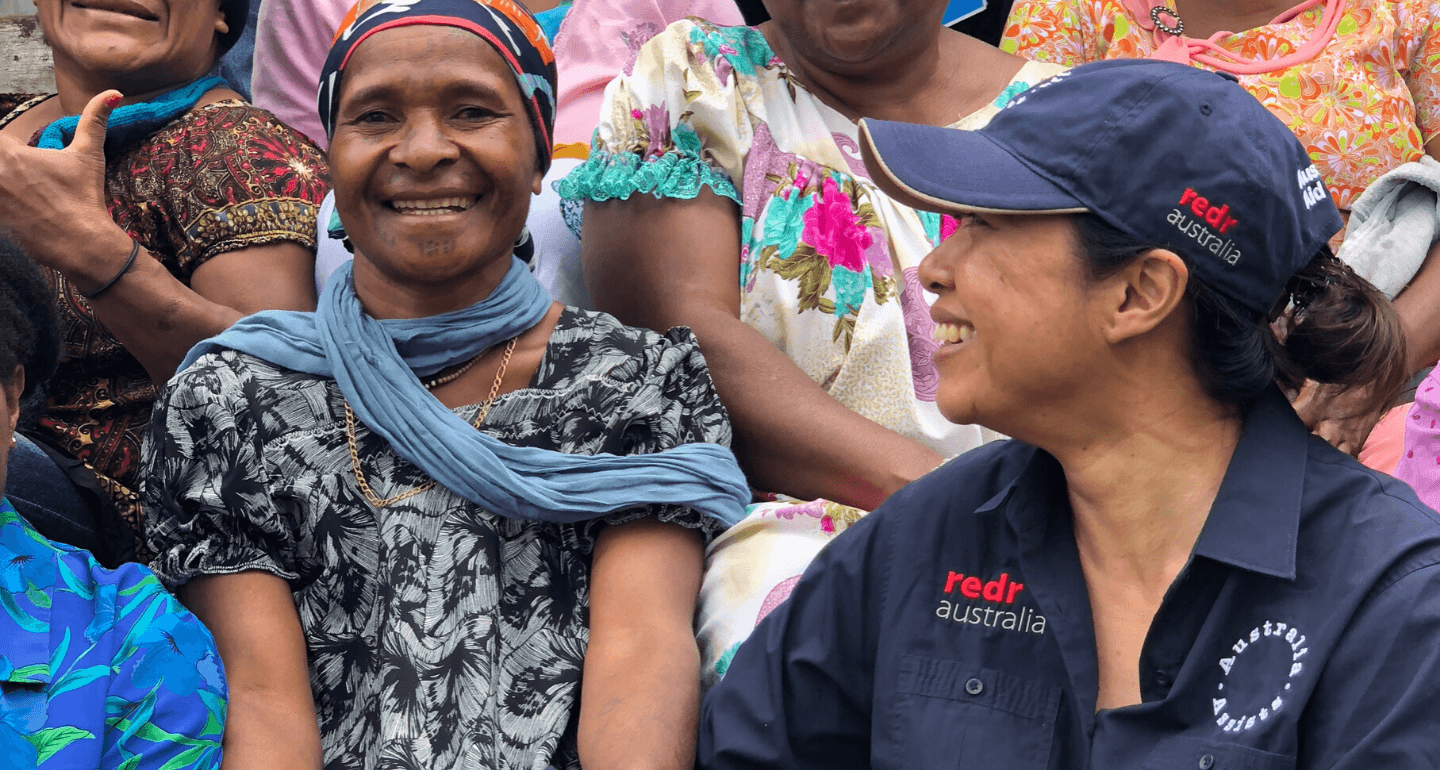
RedR Australia worked with local and regional practitioners to design and deliver bespoke Humanitarian Logistics in the Pacific courses.

Some 4,600 kilometres from Canberra, in the middle of the Pacific Ocean, lie the 32 atolls and one raised coral island of Kiribati, a far-flung island nation that is one of the most climate-exposed countries in the world. Most of its islands are less than two kilometres wide and sit, on average, just 1.8 metres above sea level, leaving communities extremely vulnerable to rising seas. Additionally, king tides are becoming more frequent and intense, washing over entire islands and contaminating drinking water for weeks or even months.
Halfway between Canberra and Kiribati lies Samoa, another climate-exposed country in the pacific. According to UNDP Climate Change Adaption, seas surrounding Samoa are rising 4 mm per year, faster than the global average and causing alarming stress on 70% of the population who reside by the coast. In addition, there are looming threats of destructive tsunamis and hazardous weather events that have forced many communities to re-locate inland.
Responding to disasters and emergency management take significant coordination and planning, which is why RedR Australia's Humanitarian Logistics in the Pacific (HLP) course is so important. We are pleased to announce that we have completed our third HLP this quarter, delivered in Fiji, Samoa and Kiribati.
RedR Australia has been offering humanitarian logistics courses for over ten years and in partnership with the Pacific Community (SPC), the training team worked with local and regional practitioners to design and deliver a bespoke Humanitarian Logistics in the Pacific (HLP) course in Kiribati this October. We know that training improves preparedness and this particular logistics simulation training was tasked with improving skills and coordination for local responders from SPC.
SPC staff are on the frontline of climate-related disasters and support preparedness activities. SPC strengthens systems, sharpens coordination and builds readiness before a crisis strikes, not just during one -which is also why they value tailored training. Logistics is critical to every emergency activation, and yet it can be under-represented in many training courses.
Humanitarian Logistics in Kiribati is specifically important with the creation of the Auti ni-Bwai Humanitarian Warehouse last year in Betio. The climate-resilient warehouse stores emergency supplies for over 250 households that can be deployed within 48 hours. RedR Australia provided the two-day intensive course within the Auti ni-Bwai Humanitarian Warehouse with tremendous results. One participant said:
"Humanitarian logistics training has really widened my knowledge and thinking when it comes to disaster response".
Backed by a global roster of expert trainers — all humanitarian professionals with genuine field experience — RedR Australia delivers training anywhere in the world, adapted to the specific needs of our partners: From classroom and online learning through to large-scale, multi-location simulations, in courses of any duration.
For more information about our courses visit www.redr.org.au or reach out to training@redr.org.au